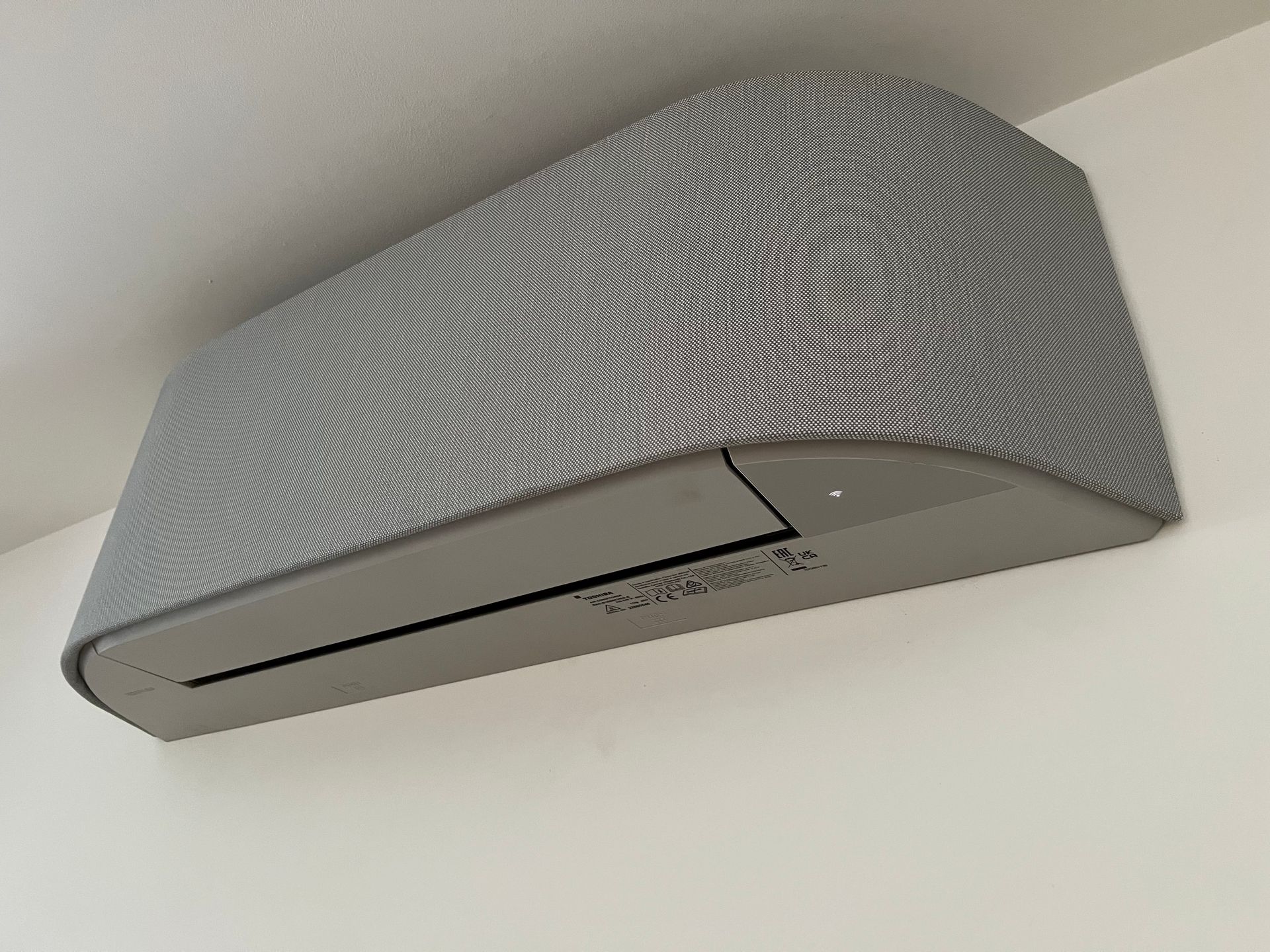

R32 Refrigerant

K EDWARDS • March 15, 2023

Most end users don't know - or care - what refrigerant their equipment uses. But they should. With the continuing rising cost of R407C and R410A, which have been the mainstays of air conditioning refrigerant for the last 20 years or so, maintaining existing air conditioning equipment is becoming increasingly more expensive for systems that are no longer considered up to date. R32 refrigerant is being used as their replacement and most, if not all, manufacturers now use R32 in their latest ranges of equipment. So why is R407c and R410a refrigerant becoming so expensive and what can you do about it?

Legislation

Well, the requirements of the 2014 EU fluorinated greenhouse gas (F-gas) regulations, which include the phasing out of HFC’s, means that manufacturers need to not only reduce refrigerant emissions in their systems but also make them increasingly more energy efficient.


Advancing heat exchanger technology, improved design and manufacturing processes, more rigid preventative maintenance all aid the overall aim, but the most important element is utilising refrigerant with a lower GWP (Global Warming Potential).


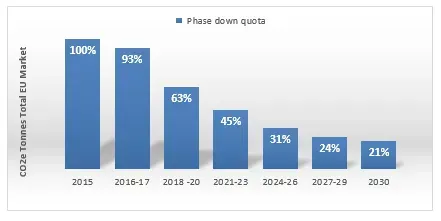
From 2009 to 2012 HFC sales in the EU averaged 183 million tonnes of carbon dioxide equivalent a year. This provides the baseline for the phase down which will be enforced on to the EU market every year until 2030 and, incrementally, less and less HFC refrigerant such as R407c and R410a, will be available. Already we have significantly less refrigerant available to the market, as you can see below
Would an R32 system be right for you?

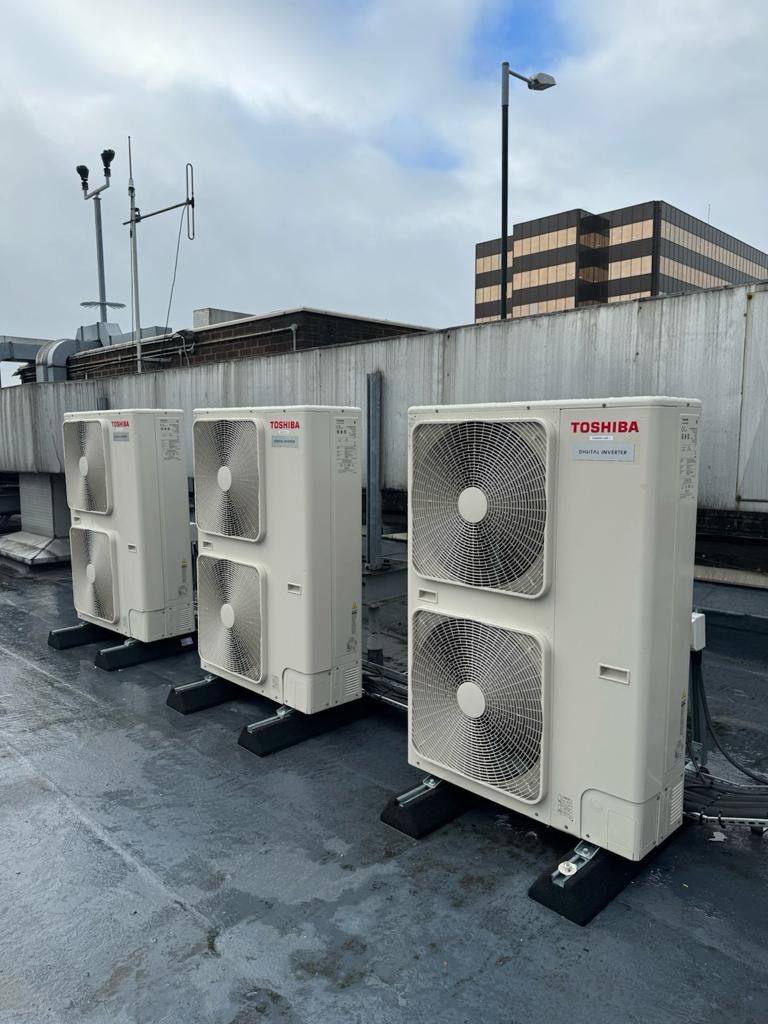
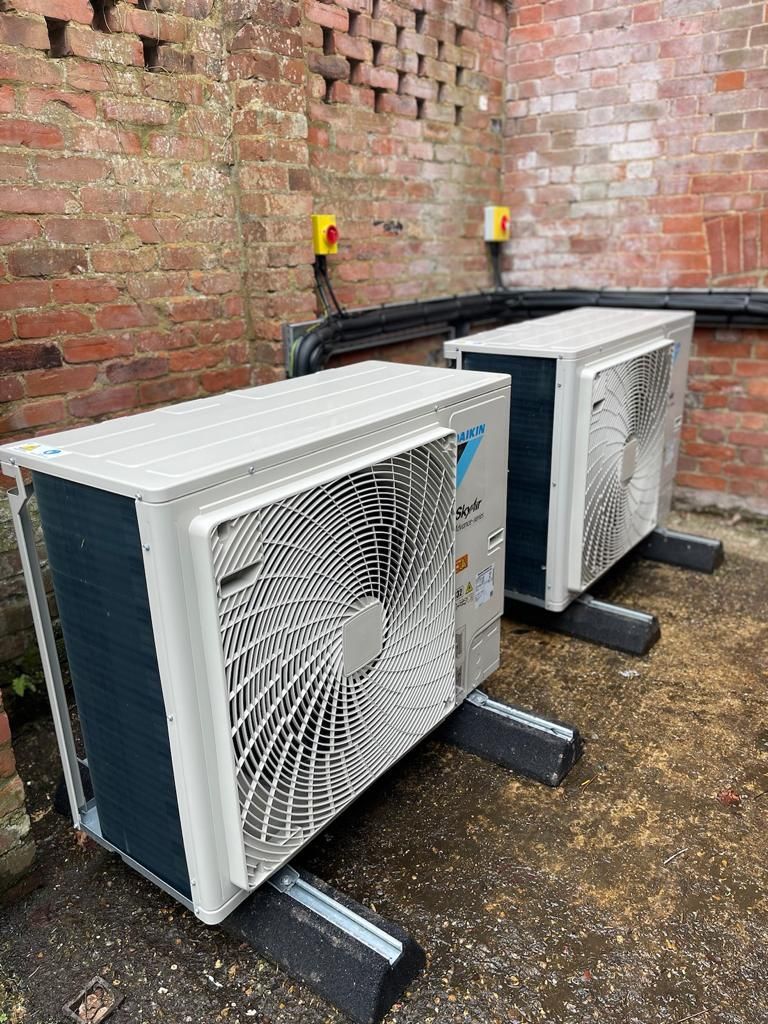
Of course, R32 has many advantages in that its a high pressure refrigerant, with lower GWP and ODP ratings than its ancestors. It's efficient, its cheaper than the older refrigerants and it's likely to be on the market for along time to come. However, it can not be used as a 'drop in' refrigerant; that is to say, you can't simply remove the old refrigerant and insert R32 in to an existing system. R32 is slightly flammable under the right conditions so great care must be used when handling it and, importantly, when designing a system which uses it. Bedfordshire Air Conditioning recommends that all old, failing or redundant equipment be replaced with new equipment specifically designed to operate on R32 refrigerant. Contact us for further information.


By K EDWARDS December 10, 2025
and why is important to your business?
By K EDWARDS December 1, 2025
Things for you to check before calling us!
By K EDWARDS November 24, 2025
As temperatures drop across Bedfordshire, many businesses assume their air conditioning units can be ignored until summer. In reality, winter is the perfect time to give your system the attention it needs. Neglecting maintenance now can lead to costly breakdowns just when you need reliable climate control the most.  🌬 Why Winter Maintenance Matters Heating mode reliance : Modern AC units often double as heating systems, air-to-air heat pumps so to speak. If filters, coils, or fans are dirty, efficiency drops and heating bills rise. Preventing downtime : A sudden failure in January could leave staff and customers uncomfortable, impacting productivity and sales. Energy savings : Regular servicing ensures your system runs smoothly, reducing unnecessary energy consumption during peak heating months. 🛠 Common Winter Concerns for Businesses Blocked filters from autumn dust and debris. Frozen coils if units aren’t properly maintained. Wear and tear from switching between heating and cooling modes. Blocked Condenser coils from all the leaf litter fallen over the last few months ✅ Smart Steps for Bedfordshire Businesses Schedule a professional inspection before the coldest months bite hard. Replace or clean filters regularly. Check thermostats and controls to ensure accurate temperature regulation. Keep outdoor units clear of leaves and frost. 📈 The Business Case A well-maintained system isn’t just about comfort—it’s about protecting your bottom line. Lower energy bills, fewer emergency callouts, and a healthier workplace environment all add up to stronger business performance and higher customer spend. Final thought: Winter is not the time to forget your air conditioning—it’s the time to future-proof it. Bedfordshire businesses that invest in maintenance now will enjoy smoother operations and fewer headaches when summer rolls back around.
By K EDWARDS May 13, 2025
How regular servicing can save your company thousands!
By K EDWARDS March 31, 2025
Why Air Conditioning is Essential for Bedfordshire Businesses: Comfort, Productivity, and Profitability
By K EDWARDS March 20, 2025
and what you should look out for!
By K EDWARDS March 17, 2025
What is all the fuss about?
By K EDWARDS January 31, 2025
What is Radon?
By K EDWARDS January 24, 2025
The general answer is - whatever suits the individual! But, there are other more specific factors which can assist you if you're wondering about the 'perfect temperature' for your a/c system. The ideal indoor temperature can vary depending on several factors, including the season, humidity levels, and the age and sex of the occupants(1). Here's a detailed overview: Winter During winter, maintaining a balance between comfort and energy efficiency is crucial: Healthy Adults: The World Health Organization (WHO) recommends setting indoor temperatures to around 18°C for healthy, well-dressed individuals (2). Elderly and Children: For older adults, young children, or those with health conditions, the ideal temperature is slightly warmer, around 20°C. (3) Summer In summer, the goal is to keep indoor spaces cool without excessive energy consumption: General Recommendation: Aim to keep indoor temperatures between 20-22°C (4). If using air conditioning, you may wish to consider setting your setpoint to around 23-24°C to save energy while maintaining comfort. As a rule of thumb; the higher the ambient temperature, the higher your setpoint can be to still feel comfortable. Humidity's Role Humidity levels significantly impact perceived temperature and comfort (5). High Humidity: Feels warmer, so maintaining an indoor relative humidity (RH) between 30-50% can help manage comfort efficiently (5). Low Humidity: Can feel cooler but may cause dryness; using humidifiers in winter when heating is on can balance this. Water features, fish tanks/bowls and pot-plants located in the appropriate room can assist with this as well. Gender and Age Considerations: Men and Women: Studies indicate that women generally prefer slightly higher indoor temperatures than men. The average neutral temperature can be about 2-3°C higher for women. Infants: Ideal room temperatures for infants range between 16-20°C to reduce risks associated with being too warm or cold (3). Older Adults: Keeping main living areas around 20°C ensures comfort and reduces health risks linked to colder environments (3). Tips to Maintain Ideal Temperature: Insulation: Proper insulation helps maintain temperature consistency and reduce energy costs (4). Ventilation: Ensuring good ventilation, especially in high humidity areas like kitchens and bathrooms, helps maintain comfort (5). Smart Thermostats: Use smart thermostats to automatically adjust temperatures based on occupancy and time of day. By balancing temperature and humidity, you can create a comfortable and healthy indoor environment for everyone. (1) feta.co.uk (2) www.zmescience.com (3) www.britishgas.co.uk (4) www.doubleglazingnetwork.com (5) www.groundworks.com
By K EDWARDS November 24, 2024
We are often asked what are the health benefits for those people using modern air conditioning systems, so we thought we'd outline them in a little detail! Modern air conditioning systems offer several health benefits for individuals in the UK: Improved Air Quality: Advanced filtration systems in modern AC units remove pollutants, allergens, and dust from the air, creating a cleaner and healthier living environment. This is especially beneficial for people with respiratory conditions like asthma or allergies. Humidity Control: By regulating humidity levels, air conditioning prevents the growth of mould and mildew, which can exacerbate respiratory problems and trigger allergies. This is also true for a/c systems used in heating throughout the winter months! Better Sleep Quality: Maintaining a cool and comfortable temperature in the bedroom can improve sleep quality. Cooler temperatures help the body relax and fall asleep faster, leading to more restful and uninterrupted sleep. Like the above, this is also true in winter as well. Reduced Heat-Related Illnesses: During heatwaves or hot weather, air conditioning provides a cool refuge, reducing the risk of heat-related illnesses such as heat exhaustion and heat stroke. Decreased Insects and Parasites: Air conditioning units help keep insects and parasites out of the home, reducing the risk of bites and associated diseases. This is caused by increased air quality, closed windows/doors thus decreasing insect ingress points and better humidity control. Enhanced Comfort: Consistent temperature control ensures a comfortable living environment, reducing discomfort associated with extreme weather conditions. Support for Mental Wellbeing: A comfortable and healthy indoor environment can positively impact mental wellbeing, reducing stress and promoting overall happiness. These benefits make modern air conditioning systems a valuable addition to homes and workplaces, contributing to both physical and mental health. Most of the above are obvious when you think about it and are ably supported by those with a/c in their homes, shops and offices!